


How to Choose a Series Resonant Test System: A Practical Selection Guide
May 28, 2026
Selecting a variable frequency series resonant (VFRS) test system is not a simple catalog comparison. For on-site AC withstand voltage testing of cables, GIS, transformers, and other high-capacitance equipment, the right choice depends on project fit-not only nameplate ratings. Below are six factors that top engineering guides consistently emphasize, plus mistakes to avoid.
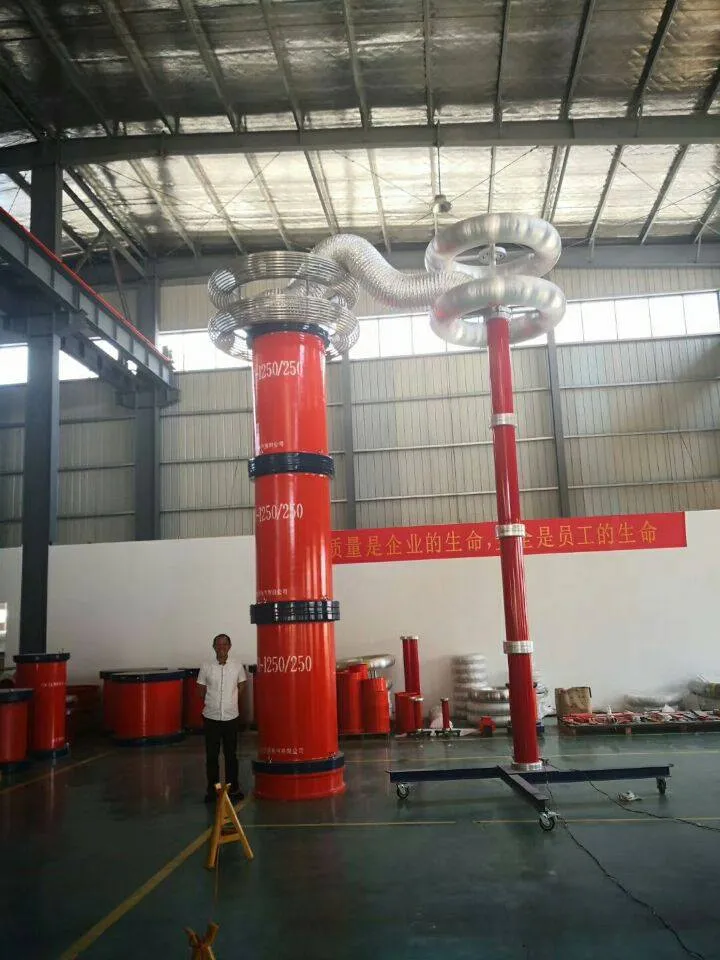
1. Define the Test Object Clearly
Selection starts with the DUT (device under test). Cable commissioning, GIS insulation tests, transformer neutral points, and switchgear each impose different capacitance, voltage, and duration requirements. A system sized for short 35 kV cable sections may fail on long 110 kV lines or large GIS bays. List every object you may test now and in the next few years before comparing models.
2. Match Voltage and Output Capacity
Do not rely on a single rated voltage label. Confirm the system covers your actual test voltage (often 1.7–2.0× cable U₀ per IEC/IEEE practice) and the reactive power needed at resonance: Q ≈ 2πfCV². Check frequency range (typically 30–300 Hz), reactor series/parallel options, and whether compensation capacitors are needed for low-capacitance loads. Quality factor (Q) affects supply size and tuning margin.
3. Evaluate On-Site Adaptability
Field success depends on logistics: transport weight, modular reactors, grounding layout, anti-corona leads, and setup time. Containerized or skid-mounted units suit constrained substation or tunnel sites better than lab-style fixed sets.
4. Review Similar Project Experience
Prefer suppliers with documented cases in cable withstand, substation AC hipot, and turnkey site delivery. Reference projects with comparable voltage, length, and capacitance reduce the risk of "paper-compliant" systems that cannot find a stable resonance point on site.
5. Clarify After-Sales and Technical Support
VFRS systems need skilled commissioning, operator training, and on-site troubleshooting (tuning, flashover diagnosis, protection settings). Define response times, spare parts, remote support, and whether engineers attend first tests.
6. Consider Product-Line Expansion
If you later add partial discharge (PD), contact resistance, or broader preventive maintenance testing, a manufacturer with an integrated high-voltage portfolio simplifies upgrades, calibration, and single-vendor accountability.
Common Selection Mistakes
| Mistake | Why it fails on site |
|---|---|
|
Comparing only voltage and current |
Ignores capacitance, frequency tuning, and test duration |
|
Price-only decisions |
Undervalues delivery, training, and field support |
|
Model shopping without site survey |
Access, grounding, and cable length change real requirements |
|
Copying another project's spec |
Different length, cross-section, or GIS layout changes C and f₀ |


