What is High Voltage?
Nov 21, 2024
International Standards: According to the International Electrotechnical Commission (IEC), high voltage (HV) typically refers to electrical systems with voltages exceeding 1 kilovolt (1kV). In power transmission and distribution, voltages between 1kV and 35kV are usually classified as medium voltage (MV), while voltages above 35kV are considered high voltage (HV).
Characteristics of High Voltage Power Systems
High voltage systems have several distinctive characteristics, primarily relating to voltage, transmission efficiency, equipment requirements, and safety. The main characteristics include:
High Transmission Efficiency High voltage systems are highly efficient in transmitting electricity over long distances. Using high voltage reduces energy losses during transmission. Since power loss increases with current, increasing voltage and reducing current helps minimize losses. As a result, long-distance power transmission typically utilizes high voltage to improve efficiency.
Large Equipment Scale High-voltage electrical equipment, such as transformers, circuit breakers, cables, and switches, tends to be larger and more complex compared to low- and medium-voltage equipment. These devices must withstand higher voltage and current loads, necessitating high-quality materials, advanced manufacturing processes, and specialized insulation.
High Insulation Requirements High-voltage systems require strong insulation to prevent electrical breakdowns or arcing. To meet these needs, high-voltage equipment often uses specialized insulation materials such as oil-immersed transformers, gas-insulated equipment, or high-strength plastics to prevent leakage and short circuits.
High Maintenance Demands The maintenance of high-voltage equipment requires significant technical expertise and higher costs. The complex environments and higher voltages involved make these systems more vulnerable to faults, which can lead to serious safety hazards or widespread power outages. As such, high-voltage systems require regular inspections and specialized maintenance.
Huazheng Electric's High-Voltage Testing Solutions
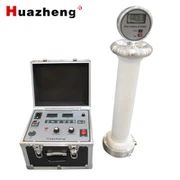
To meet the demands of high-voltage testing, Huazheng Electric has developed a range of advanced equipment specifically designed for high-voltage detection, backed by a professional R&D team. Today, we introduce one of our key products:
HZDP-30KV VLF Hipot Tester is an instrument used for high voltage withstand test of power equipment, especially for insulation performance evaluation of high voltage power cables, transformers, electrical switchgear, etc. VLF stands for Very Low Frequency, which usually refers to electrical signals with a frequency range of 0.1 Hz to 1 kHz. The VLF Hipot tester uses very low frequency voltage to apply high voltage to the equipment to simulate the electrical environment that the equipment may encounter during long-term operation and to check whether the insulation system of the equipment is intact.
Key features:
Function: It helps test whether protection equipment responds effectively and promptly to faults, thereby safeguarding power equipment and lines from damage.
Applications: Primarily used for maintenance and testing in substations, power plants, and other power systems.
Huazheng Electric: Advancing Together
At Huazheng Electric, we are committed to providing innovative testing solutions and progressing alongside our customers in the electrical industry. Through continuous R&D and advanced technology, we ensure that our products meet the highest standards for safety, accuracy, and reliability.