


HZM90 Digital Voltage Tester Non-Contact Electroprobe
Huazheng HZM90 Digital Voltage Tester Non-Contact Electroprobe An electroprobe is a device used to measure or detect the presence of electrical potential (voltage) in a specific area or object, often in high-voltage environments. It typically works by making physical contact with an electrical conductor or surface to measure the voltage or electrical field. Electroprobes are used for various purposes in electrical testing, diagnostics, and maintenance, such as: Voltage Detection: Electroprobes are commonly used to detect the presence of voltage on power lines, electrical circuits, and equipment, helping ensure that maintenance or repairs are conducted safely. Electromagnetic Field Measurement: Some electroprobes are designed to measure the intensity of electromagnetic fields (EMF) around electrical equipment or transmission lines, providing data on field strength and potential safety hazards. Safety Testing: In high-voltage environments, electroprobes can help verify that the system is de-energized and safe for work, reducing the risk of electrical shock to personnel.
HZM90 Digital Voltage Tester Non-Contact Electroprobe
I. Introduction
Applications of Electroprobes:
Power line maintenance: Workers use electroprobes to detect whether electrical lines are live (energized) or safe to handle.
Electrical testing: They can be used to check electrical systems for faults or issues, such as short circuits or over-voltage conditions.
Safety in high-voltage testing: Electroprobes are essential in confirming that circuits or electrical components are de-energized before maintenance work begins.
In summary, an electroprobe is a versatile tool used to detect electrical voltage or fields in a variety of applications, especially where safety and accurate voltage measurements are critical.
II.Safety Tips
To avoid the risk of electric shock or personal injury:
Follow Instructions: Failure to use the electroprobe according to the instructions may compromise or deactivate its safety features.
Test Before Use: Before using the electroprobe, test it on a known live power source to ensure that it is in good working condition.
Voltage Detection Limitations: When using the electroprobe, note that voltage may still be present even if there is no indication or audible alarm. The tester detects effective voltage when the power supply generates an electrostatic field of sufficient strength. If the field strength is too weak, the tester may fail to detect the presence of voltage. Several factors can affect detection, including but not limited to: shielded wires/cables, the thickness and type of insulation, distance from the voltage source, complete insulation, and variations in socket design.
Inspect for Damage: Do not use the electroprobe if it is damaged or malfunctioning. Before use, inspect the probe tip for cracks or breakage. If any issues are found, send the electroprobe for repair immediately.
Do Not Exceed Rated Voltage: Do not apply voltage exceeding the rated voltage marked on the electroprobe. Avoid testing voltages above 30V AC, as higher voltages pose an electric shock risk.
Comply with Safety Regulations: Always observe local and national safety regulations and use the appropriate protective equipment as specified by relevant authorities.
III.Technical Parameters
Operating Voltage :
AC voltage 12~1000V, 50/60Hz
Use environment :
Working temperature :0~40 degrees
Storage temperature : -10~50 degrees
Humidity : ≤ 95%
Altitude : ≤ 2000m
Security Level :
CAT.III 1000V
CAT.IV 600V; CE
Power supply : 2x1.5VAAA batteries
Replacement battery
Press the buckle as shown in the figure below, push the battery cover off the instrument, take out the battery and insert it into the top of the tester according to the positive and negative indicators of the battery .

Warn
To avoid electric shock, do not use a electroprobe to detect voltage before the battery cover is fastened and locked .
Clean
Clean with a damp cloth. Note : After cleaning, the tester must be completely dry before use .


FAQ
1. When can I get a price quote?
You can contact us online or submit an inquiry. We typically provide a quote within 24 hours after receiving your request.
2. How do you handle after-sale service for overseas customers?
For issues occurring with our products, we offer:
12-month warranty coverage (see details below).
Online technical guidance to troubleshoot problems remotely.
Replacement parts shipped promptly based on your needs.
On-site support (if required): Our engineers can travel abroad to resolve critical issues.

3. What is the warranty period?
Our standard warranty period is 12 months (1 year). During this time, we provide:
Free technical support.
Replacement parts for manufacturing defects.
Solutions tailored to your specific issue.
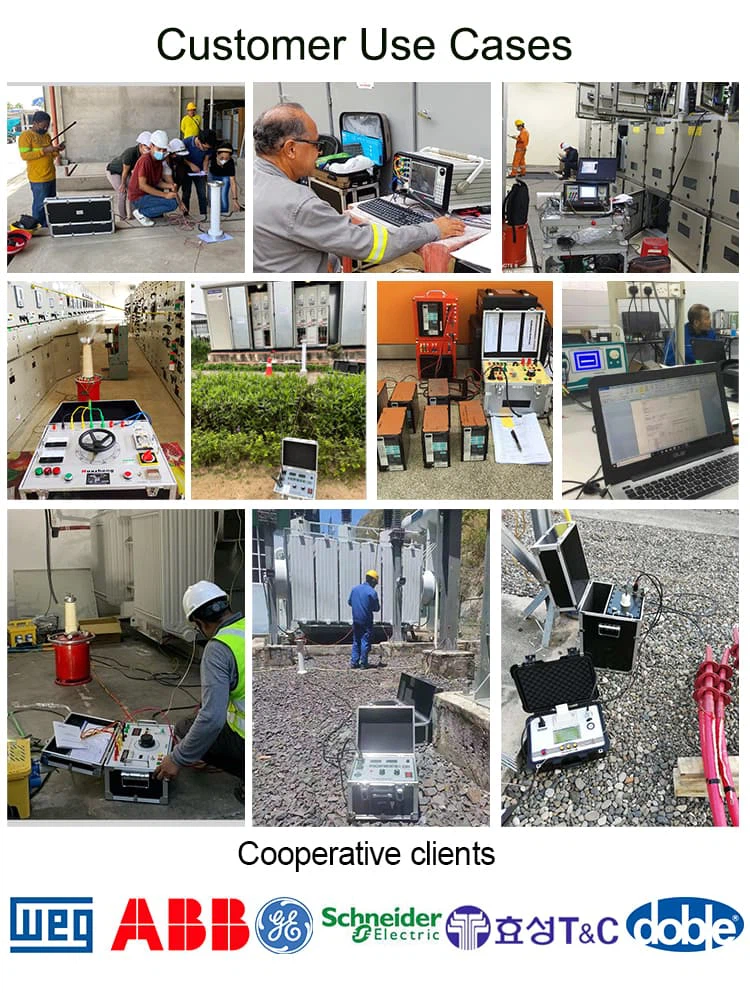
Products Cases
Company Profile

Certification

Related Products

Hot Tags: hzm90 digital voltage tester non-contact electroprobe, China hzm90 digital voltage tester non-contact electroprobe manufacturers, suppliers, factory, affordable other products, ASTM D86 Distillation Apparatus, Capacitance And Inductance Tester, large quantity other products, ornamental other products, popular other products
 HZM9060 Series Wrist Type Electric Alarm
 HZZ4000 Digital Power Quality And Energy Analyzer
 HZM9020 Intelligent Lightning Protection Component T...
 Manufacture HZM9032 Leakage Switch Tester For Electr...
 20kVA 200kV Oil Immersed Test Transformer
 Sf6 Inflatable 50kVA 250kV High Voltage Testing Equi...
Send Inquiry
