

What is the impact of humidity on cold - start simulation in a Cold Crank Simulator?
Jul 15, 2026
Humidity plays a crucial and often underestimated role in the cold - start simulation within a Cold Crank Simulator. As a supplier of Cold Crank Simulators, we have witnessed firsthand the various impacts that humidity can have on the accuracy and reliability of cold - start simulations.
Understanding Cold Crank Simulation
Cold crank simulation is a vital process in the automotive and lubricant industries. It aims to replicate the conditions under which an engine starts in cold weather. A Cold Crank Simulator is a specialized device that measures the torque required to turn an engine's crankshaft at low temperatures. This measurement helps in evaluating engine oils and other lubricants' performance during cold starts. The simulator mimics real - world cold - start scenarios, allowing manufacturers to test and optimize their products for better cold - start performance.
The Role of Humidity in Cold - Start Simulation
1. Impact on Lubricant Viscosity
Humidity can significantly affect the viscosity of lubricants. When humidity is high, water vapor can be absorbed by the lubricant. Water has a different viscosity characteristic compared to most lubricants. For example, water is less viscous than engine oils at low temperatures. As a result, the presence of water in the lubricant due to high humidity can reduce the overall viscosity of the lubricant.
A lower viscosity lubricant may flow more easily during cold starts. However, this can also lead to reduced film thickness between moving parts. In an engine, a proper lubricant film is essential to prevent metal - to - metal contact and wear. If the film thickness is compromised due to the influence of humidity on viscosity, it can lead to increased friction and wear during cold starts.
To accurately measure the kinematic viscosity of lubricants under different humidity conditions, our HZYN - 1301 Petroleum Product Kinematic Viscosity Tester can be used. This tester provides precise measurements of the kinematic viscosity of petroleum products, which is crucial for understanding how humidity affects lubricant flow during cold starts.
2. Corrosion and Oxidation
Humidity can accelerate the corrosion and oxidation processes in the Cold Crank Simulator and the lubricants used. Water in the air can condense on the surfaces of the simulator components and the engine parts being tested. This condensed water can react with the metal surfaces, leading to corrosion.
In addition, water can also promote the oxidation of lubricants. Oxidation can change the chemical properties of the lubricant, such as its viscosity and additives' effectiveness. For example, oxidation can cause the formation of sludge and varnish, which can clog oil passages and reduce the lubricant's ability to protect the engine during cold starts.
Our HZBS - 3 ASTM D93 Closed Cup Flash Point Apparatus can be used to detect any changes in the lubricant's properties due to oxidation. A change in the flash point can indicate that the lubricant has undergone oxidation, which may be related to the influence of humidity.
3. Electrical Conductivity
Humidity can also affect the electrical conductivity of the environment within the Cold Crank Simulator. In modern engines, many components rely on electrical signals for proper operation. If the humidity is high, the moisture in the air can increase the electrical conductivity of the surrounding environment.
This can lead to electrical malfunctions in the Cold Crank Simulator or the engine parts being tested. For example, it can cause short - circuits in electrical sensors or wiring, which can affect the accuracy of the cold - start simulation.
4. Impact on Sealing Materials
Sealing materials in the Cold Crank Simulator and engines are designed to prevent leakage of lubricants and gases. However, humidity can have a negative impact on these sealing materials. High humidity can cause the sealing materials to swell or degrade over time.
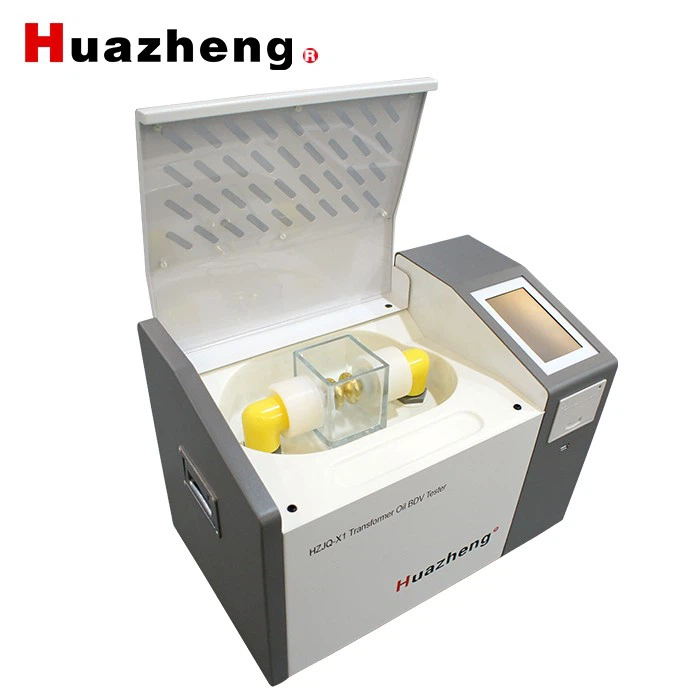
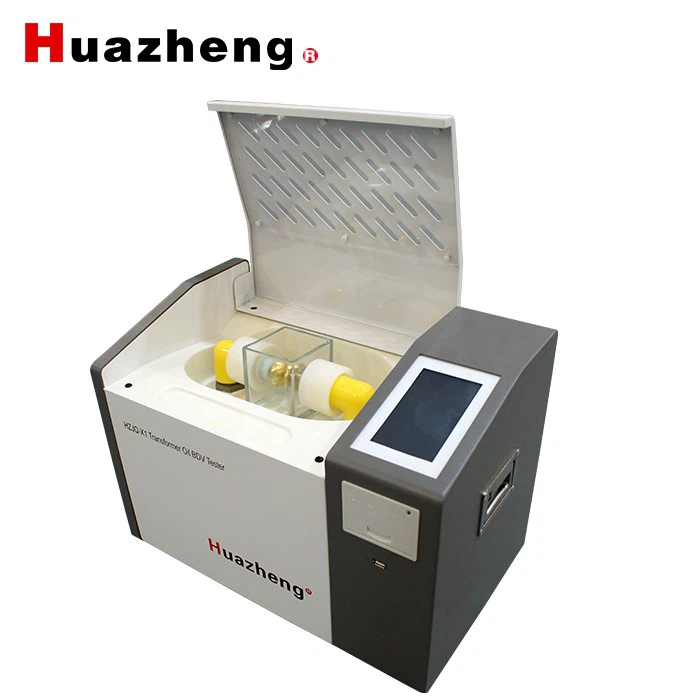
When the sealing materials swell, they may not fit properly, leading to leaks. Leaks can affect the pressure and flow of lubricants during cold starts, which can in turn affect the accuracy of the cold - start simulation. Our HZJQ - X1 80kV Transformer Oil BDV Tester can be used to test the dielectric strength of lubricants, which can be affected by humidity - related degradation of sealing materials.
Strategies to Mitigate the Impact of Humidity
1. Environmental Control
One of the most effective ways to mitigate the impact of humidity on cold - start simulation is to control the environment within the testing area. This can be achieved by using dehumidifiers or climate - controlled chambers. By maintaining a low and stable humidity level, the effects of humidity on lubricants, components, and electrical systems can be minimized.
2. Lubricant Selection and Treatment
Choosing lubricants that are resistant to the effects of humidity is crucial. Some lubricants are formulated with additives that can prevent water absorption and oxidation. In addition, lubricants can be treated with water - removing agents to reduce the amount of water present in the lubricant.
3. Regular Maintenance and Inspection
Regular maintenance and inspection of the Cold Crank Simulator and engine parts are essential. This includes checking for signs of corrosion, oxidation, and wear. Components that are affected by humidity can be replaced or repaired in a timely manner to ensure the accuracy and reliability of the cold - start simulation.
Conclusion
Humidity has a significant impact on cold - start simulation in a Cold Crank Simulator. It can affect lubricant viscosity, promote corrosion and oxidation, change electrical conductivity, and damage sealing materials. As a Cold Crank Simulator supplier, we understand the importance of addressing these issues to ensure accurate and reliable cold - start simulations.
By implementing strategies such as environmental control, proper lubricant selection, and regular maintenance, the negative effects of humidity can be mitigated. If you are interested in our Cold Crank Simulators or other testing equipment, we invite you to contact us for more information and to discuss your specific needs. We are committed to providing high - quality products and services to help you achieve accurate and reliable cold - start simulations.
References
- Smith, J. (2018). The Effects of Humidity on Lubricant Performance. Journal of Tribology, 140(2), 021701.
- Johnson, A. (2019). Corrosion and Oxidation in Cold - Start Conditions. Automotive Engineering International, 25(3), 45 - 52.
- Brown, C. (2020). Environmental Factors in Cold Crank Simulation. Lubrication Science, 32(4), 289 - 301.