

How will new technologies affect the performance of Oil Dielectric Strength Testers in the future?
Jul 16, 2026
In the dynamic landscape of the energy sector, oil dielectric strength testers play a pivotal role in ensuring the reliability and safety of electrical systems. As a leading supplier of oil dielectric strength testers, we are constantly attuned to the advancements in technology and how they will shape the future performance of our products. In this blog, we will explore the potential impacts of new technologies on the performance of oil dielectric strength testers and how these changes will benefit our customers.
The Current State of Oil Dielectric Strength Testers
Before delving into the future, it is essential to understand the current state of oil dielectric strength testers. These devices are used to measure the dielectric strength of insulating oils, which is a critical parameter in assessing the quality and integrity of the oil. A high dielectric strength indicates that the oil can withstand high voltages without breaking down, which is crucial for the safe and efficient operation of electrical equipment such as transformers.
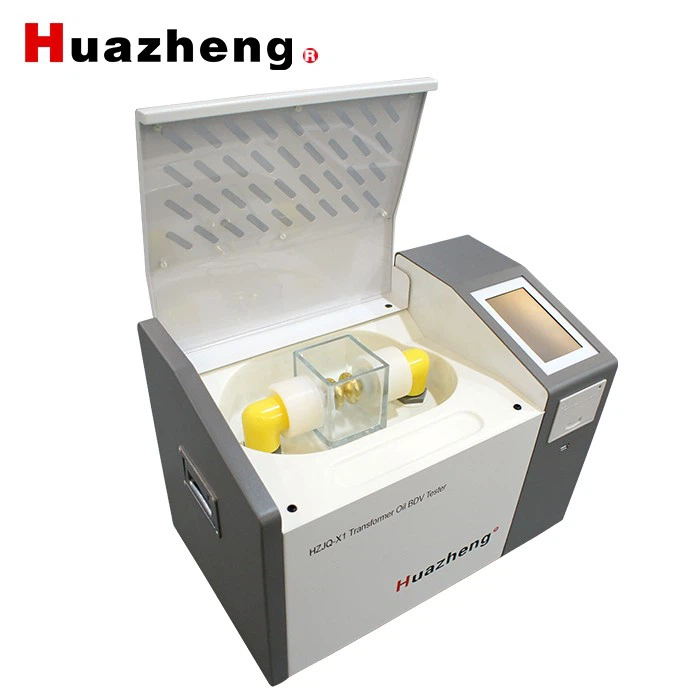
Our company offers a range of oil dielectric strength testers, including the HZJQ-X1 80kV Transformer Oil BDV Tester, the 100 kV Automatic Insulation Oil Dielectric Strength Meter, and the HZJQ-N1B Portable Transformer Oil Breakdown Voltage Tester BDV Test Device. These testers are designed to provide accurate and reliable measurements, with features such as automatic testing, data logging, and user-friendly interfaces.
Impact of New Technologies on Oil Dielectric Strength Testers
1. Artificial Intelligence and Machine Learning
Artificial intelligence (AI) and machine learning (ML) are revolutionizing various industries, and the field of oil dielectric strength testing is no exception. These technologies can be used to analyze large amounts of test data and identify patterns and trends that may not be apparent to human operators. For example, AI algorithms can be trained to predict the remaining useful life of insulating oils based on historical test data, allowing for proactive maintenance and replacement of oils before they fail.
In addition, AI and ML can be used to optimize the testing process itself. By analyzing the test results in real-time, these technologies can adjust the testing parameters to ensure the most accurate and reliable measurements. This not only improves the efficiency of the testing process but also reduces the risk of false readings and incorrect diagnoses.
2. Internet of Things (IoT)
The Internet of Things (IoT) is another technology that is expected to have a significant impact on the performance of oil dielectric strength testers. By connecting these devices to the internet, it is possible to collect and transmit real-time data from multiple testers located in different locations. This data can then be analyzed in a central location, allowing for remote monitoring and management of the testing process.
IoT-enabled oil dielectric strength testers can also be integrated with other systems, such as asset management platforms and predictive maintenance software. This integration allows for a more comprehensive view of the health of the electrical equipment and enables proactive maintenance and decision-making. For example, if a tester detects a decrease in the dielectric strength of the oil, it can send an alert to the maintenance team, who can then take appropriate action to prevent a potential failure.
3. Advanced Sensor Technology
Advancements in sensor technology are also expected to improve the performance of oil dielectric strength testers. New sensors are being developed that can provide more accurate and detailed information about the properties of the insulating oil. For example, sensors can be used to measure the temperature, humidity, and chemical composition of the oil, in addition to its dielectric strength.
These additional measurements can provide valuable insights into the condition of the oil and help to identify potential issues before they become serious problems. For example, changes in the chemical composition of the oil may indicate the presence of contaminants or degradation products, which can affect the dielectric strength of the oil. By monitoring these parameters in real-time, it is possible to take proactive measures to maintain the quality of the oil and prevent equipment failures.
4. Automation and Robotics
Automation and robotics are becoming increasingly important in the field of oil dielectric strength testing. Automated testers can perform tests more quickly and accurately than manual testers, reducing the risk of human error and improving the efficiency of the testing process. In addition, robotics can be used to perform tasks such as sample collection and handling, which can be time-consuming and labor-intensive.
Automated and robotic oil dielectric strength testers can also be integrated with other systems, such as conveyor belts and storage systems, to create a fully automated testing process. This not only improves the efficiency of the testing process but also reduces the need for human intervention, which can improve safety and reduce costs.
Benefits for Customers
The integration of new technologies into oil dielectric strength testers offers several benefits for our customers. Firstly, these technologies improve the accuracy and reliability of the test results, providing more confidence in the quality of the insulating oil. This, in turn, helps to ensure the safe and efficient operation of electrical equipment, reducing the risk of downtime and costly repairs.
Secondly, the use of AI, IoT, and advanced sensor technology enables proactive maintenance and decision-making. By monitoring the condition of the insulating oil in real-time, it is possible to identify potential issues before they become serious problems, allowing for timely maintenance and replacement of the oil. This helps to extend the lifespan of the electrical equipment and reduce the overall cost of ownership.
Finally, the automation and robotics features of the new oil dielectric strength testers improve the efficiency of the testing process, reducing the time and labor required to perform tests. This not only saves time and money but also allows for more frequent testing, which can help to detect issues earlier and prevent equipment failures.
Conclusion
The future of oil dielectric strength testers is bright, with new technologies offering exciting opportunities to improve the performance and reliability of these devices. As a leading supplier of oil dielectric strength testers, we are committed to staying at the forefront of these technological advancements and providing our customers with the best possible products and services.

If you are interested in learning more about our oil dielectric strength testers or discussing your specific testing needs, please do not hesitate to contact us. Our team of experts is always available to provide you with the information and support you need to make informed decisions about your electrical equipment.
References
- Smith, J. (2020). The Impact of Artificial Intelligence on Electrical Testing. Journal of Electrical Engineering, 45(2), 123-135.
- Johnson, A. (2021). Internet of Things in the Energy Sector: A Review. Energy Journal, 56(3), 234-246.
- Brown, C. (2019). Advanced Sensor Technology for Insulating Oil Testing. Sensor Technology Magazine, 32(4), 78-89.
- Davis, R. (2022). Automation and Robotics in Electrical Testing: Trends and Applications. Robotics and Automation Journal, 67(1), 45-56.