

What is the measurement error of a 5kV Insulation Resistance Tester?
Dec 11, 2025
Hey there! As a supplier of 5kV Insulation Resistance Testers, I often get asked about the measurement error of these nifty devices. So, let's dig into what measurement error is all about when it comes to 5kV Insulation Resistance Testers.
First off, what's measurement error? Put simply, it's the difference between the measured value and the true value of what you're trying to measure. In the case of a 5kV Insulation Resistance Tester, we're measuring the insulation resistance of electrical equipment. This measurement is crucial for ensuring the safety and proper functioning of electrical systems.
There are a few factors that can cause measurement errors in a 5kV Insulation Resistance Tester. One of the main culprits is environmental conditions. Temperature, humidity, and even the presence of dust or contaminants can all have an impact on the accuracy of the measurement. For example, high humidity can cause moisture to accumulate on the insulation, which can lower the measured resistance and lead to an inaccurate reading.
Another factor is the quality of the tester itself. A poorly designed or manufactured tester may have inherent errors in its measurement circuitry. This could be due to issues like component tolerances, calibration errors, or electrical noise. That's why it's so important to choose a high - quality tester from a reputable supplier. For instance, our HZ3151 5kV Insulation Resistance Tester is built with precision components and undergoes rigorous testing to minimize measurement errors.
The way the tester is used also plays a big role. If the test leads are not properly connected, or if the operator doesn't follow the correct testing procedures, it can result in inaccurate measurements. For example, if the test leads are damaged or have loose connections, it can introduce additional resistance into the measurement circuit, which will affect the reading.
Let's talk about how measurement error is typically specified. Manufacturers usually provide a specification for the measurement error in terms of a percentage or a fixed value. For example, a tester might have a measurement error of ± 5% of the measured value. This means that if you measure an insulation resistance of 100 MΩ, the true value could be anywhere between 95 MΩ and 105 MΩ.
It's important to note that the measurement error can vary depending on the range of the tester. Some testers may have a higher error rate at the lower or upper ends of their measurement range. For example, a tester might have a ± 3% error rate in the middle of its range, but this could increase to ± 5% at the extremes.
To get the most accurate measurements, it's a good idea to calibrate your tester regularly. Calibration involves comparing the readings of the tester against a known standard. This helps to ensure that the tester is providing accurate and reliable measurements. Many suppliers, including us, offer calibration services for their testers.
Now, let's take a look at some of the applications where accurate insulation resistance measurements are crucial. In the power industry, for example, insulation resistance testing is used to assess the condition of transformers, cables, and other electrical equipment. A small measurement error could lead to incorrect assessments of the equipment's insulation condition, which could potentially result in equipment failure or safety hazards.
In the manufacturing industry, insulation resistance testing is used to quality - control electrical products. If the insulation resistance of a product is not within the specified limits, it could indicate a manufacturing defect. Accurate measurements are essential to ensure that only high - quality products are released into the market.

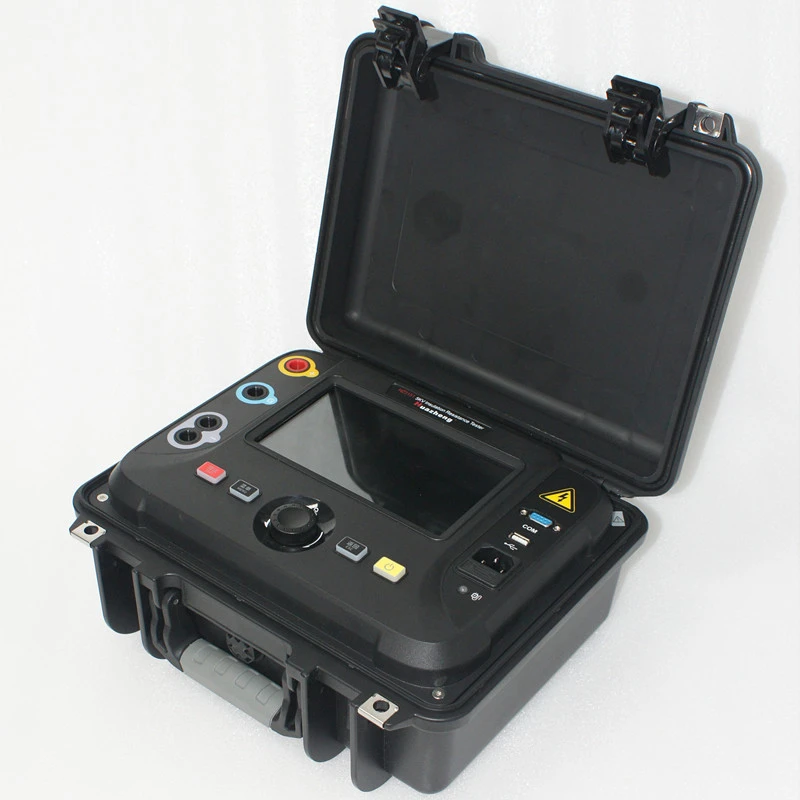
When choosing a 5kV Insulation Resistance Tester, it's important to consider not only the measurement error but also other factors such as the tester's features, ease of use, and durability. Our 5kV Insulation Resistance Test Device offers a range of features, including a large digital display for easy reading, multiple measurement ranges, and automatic discharge function.
If you need even higher voltage for your insulation resistance testing, we also offer the HZJY - 20K 20000V 20kV Digital Insulation Resistance Test Equipment. This powerful tester is designed for applications where high - voltage testing is required, such as in large power transformers.
In conclusion, understanding the measurement error of a 5kV Insulation Resistance Tester is crucial for getting accurate and reliable insulation resistance measurements. By considering the factors that can cause measurement errors, choosing a high - quality tester, and following proper testing procedures, you can ensure that your insulation resistance tests are as accurate as possible.
If you're in the market for a 5kV Insulation Resistance Tester or have any questions about measurement error or our products, don't hesitate to reach out. We're here to help you make the right choice for your insulation resistance testing needs and are ready to discuss your specific requirements and start a procurement negotiation.
References
- Electrical Insulation Testing Handbook
- Standards for Insulation Resistance Testing Equipment