

How much does an AC DC hipot tester cost?
Jun 20, 2025
How much does an AC DC hipot tester cost? This is a question that many professionals in the electrical testing industry often ask. As a supplier of AC DC hipot testers, I'm here to shed some light on the factors that influence the cost and give you a general idea of the price range.
Understanding AC DC Hipot Testers
Before delving into the cost, let's briefly understand what an AC DC hipot tester is. A hipot tester, short for high - potential tester, is a device used to perform dielectric withstand tests. These tests are crucial for ensuring the safety and reliability of electrical equipment by checking if the insulation can withstand high voltages without breaking down. AC DC hipot testers can provide both alternating current (AC) and direct current (DC) high - voltage outputs, allowing for a more comprehensive testing process.
Factors Affecting the Cost of AC DC Hipot Testers
1. Voltage Rating
One of the most significant factors influencing the cost of an AC DC hipot tester is its voltage rating. Higher voltage ratings generally mean more expensive testers. For example, a tester with a low - voltage rating of 1kV - 5kV is typically less costly compared to a tester with a rating of 50kV or more. The reason is that high - voltage testers require more sophisticated insulation materials and advanced design to ensure safety and accuracy. Our 20kVA 200kV Oil Immersed Test Transformer is a high - end product with a very high voltage rating, which is designed for demanding applications such as testing large - scale electrical power equipment. The advanced technology and high - quality components used in its construction contribute to its relatively high cost.
2. Output Power
The output power of the hipot tester also plays a role in determining its price. Testers with higher output power can handle larger loads and are more suitable for testing high - power electrical equipment. A high - power hipot tester usually requires larger transformers and more powerful power supplies, which increase the manufacturing cost. Our 150kVA 150kV AC DC Hipot Testing Transformer is a high - power device that can meet the needs of industrial - scale testing. The robust design and high - performance components necessary to achieve such high power output make it more expensive than lower - power models.
3. Accuracy and Precision
Accuracy and precision are critical in electrical testing. Hipot testers with higher accuracy levels are more expensive because they require better - quality measurement circuits and calibration procedures. In applications where precise voltage and current measurements are essential, such as in the aerospace or medical device industries, the demand for high - accuracy hipot testers is high. These testers often come with advanced digital displays and sophisticated control systems to ensure accurate readings.
4. Features and Functionality
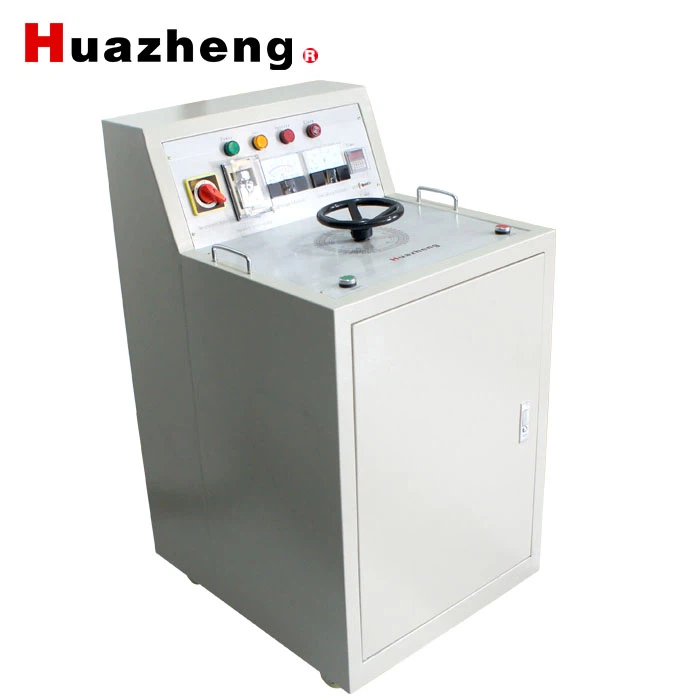
Modern AC DC hipot testers come with a wide range of features and functionality. Basic testers may only offer simple voltage and current testing, while more advanced models may include features such as programmable test sequences, automatic shutdown in case of a fault, and data logging capabilities. The more features a tester has, the higher its cost. For example, a hipot tester with data logging can record test results over time, which is useful for quality control and compliance purposes. Our 100kV Oil Immersed AC DC Hipot Tester offers a variety of advanced features, making it a popular choice for professional users.

5. Build Quality and Durability
The build quality and durability of the hipot tester also affect its price. Testers designed for harsh industrial environments need to be rugged and resistant to dust, moisture, and mechanical shock. They are often made with high - quality materials and have a more robust enclosure. A well - built hipot tester will last longer and require less maintenance, which justifies its higher initial cost.
Price Range of AC DC Hipot Testers
The cost of AC DC hipot testers can vary widely depending on the factors mentioned above. Entry - level hipot testers with low voltage ratings (e.g., 1kV - 5kV) and basic functionality can cost anywhere from a few hundred dollars to a couple of thousand dollars. These are suitable for small - scale workshops and simple electrical testing tasks.
Mid - range hipot testers with voltage ratings between 10kV - 50kV and more advanced features may cost between $2,000 - $10,000. These testers are commonly used in medium - sized electrical manufacturing plants and testing laboratories.
High - end hipot testers with voltage ratings above 50kV, high output power, and advanced features can cost upwards of $10,000. These are typically used in large - scale power generation facilities, high - voltage research institutions, and industries with strict safety and quality requirements.
Making the Right Choice
When considering the purchase of an AC DC hipot tester, it's important to balance your budget with your testing requirements. Don't just focus on the price; also consider the long - term value, including accuracy, reliability, and after - sales support. If you have specific testing needs, such as testing high - voltage cables or large electrical transformers, it may be worth investing in a more expensive but high - performance hipot tester.
Contact Us for Purchase and Consultation
If you are interested in purchasing an AC DC hipot tester or need more information about our products, please feel free to reach out to us. Our team of experts is ready to assist you in choosing the right tester for your specific application. We can provide detailed product specifications, pricing information, and technical support. Whether you are a small business looking for an affordable solution or a large - scale enterprise in need of high - end testing equipment, we have the products and expertise to meet your needs.
References
- Electrical Testing Handbook: This comprehensive handbook provides in - depth knowledge about electrical testing equipment, including hipot testers.
- Industry standards and regulations related to electrical safety testing, which influence the design and functionality of hipot testers.