

Can an AC DC hipot tester be used for testing batteries?
Sep 12, 2025
As a supplier of AC DC hipot testers, I often encounter various inquiries from customers about the applications of our products. One question that frequently arises is, "Can an AC DC hipot tester be used for testing batteries?" In this blog post, I'll delve into this topic, exploring the technical aspects, potential uses, and limitations of using an AC DC hipot tester for battery testing.
Understanding AC DC Hipot Testers
Before we discuss battery testing, let's first understand what an AC DC hipot tester is. An AC DC hipot tester, also known as a high - potential tester, is a device used to perform dielectric withstand tests on electrical equipment. The main purpose of these tests is to ensure that the insulation of the equipment can withstand high voltages without breaking down, thereby preventing electrical shocks and short - circuits.
AC DC hipot testers can generate both alternating current (AC) and direct current (DC) high - voltage outputs. AC hipot tests are more suitable for simulating real - world operating conditions, as most electrical systems run on AC power. DC hipot tests, on the other hand, are often used when the capacitance of the device under test is high, as DC testing can reduce the charging current and minimize the risk of damage to the equipment.
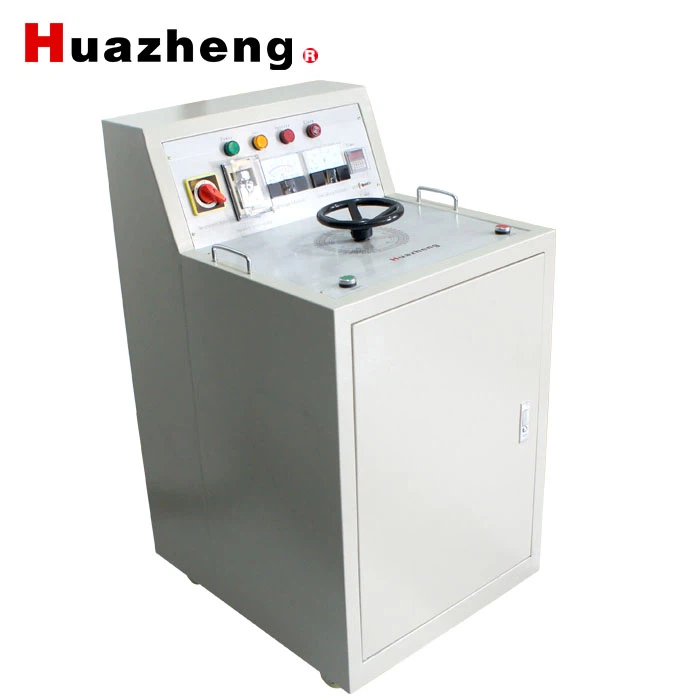
Our company offers a range of high - quality AC DC hipot testers, such as the 100kV Oil Immersed AC DC Hipot Tester and the Oil Immersed AC DC Hipot Test Set. These products are designed with advanced technology to provide accurate and reliable high - voltage testing solutions.
Battery Testing Requirements
Batteries are energy storage devices that require careful testing to ensure their safety, performance, and reliability. The main aspects of battery testing include capacity testing, voltage testing, internal resistance testing, and safety testing. Safety testing is particularly important, as batteries can pose risks such as overheating, short - circuits, and even explosions if they are not properly designed or manufactured.

One of the key safety tests for batteries is the dielectric withstand test. This test is used to check the integrity of the battery's insulation system, ensuring that there is no electrical leakage between the battery cells and the battery casing or other external components. A good insulation system can prevent electrical shorts and protect users from electrical hazards.
Can an AC DC Hipot Tester be Used for Battery Testing?
The answer is yes, an AC DC hipot tester can be used for battery testing, specifically for dielectric withstand testing. By applying a high - voltage output to the battery, the hipot tester can detect any insulation failures or electrical leakage in the battery.
Advantages of Using an AC DC Hipot Tester for Battery Testing
- Accurate Detection: AC DC hipot testers can accurately measure the insulation resistance of the battery. They can detect even small amounts of electrical leakage, which may not be easily detectable by other testing methods.
- Flexibility: With the ability to generate both AC and DC high - voltage outputs, the hipot tester can be used for different types of batteries and testing requirements. For example, some batteries may require an AC hipot test to simulate real - world operating conditions, while others may be better tested with a DC hipot test due to their high capacitance.
- Standard Compliance: Many battery safety standards, such as UL 1642 for lithium - ion batteries, require dielectric withstand testing. Using an AC DC hipot tester can help battery manufacturers ensure that their products meet these standards.
Limitations and Considerations
- Battery Damage Risk: Applying a high - voltage output to the battery during the hipot test can potentially damage the battery if the voltage is too high or the test duration is too long. Therefore, it is crucial to select the appropriate test voltage and duration based on the battery's specifications.
- Complexity of Battery Design: Modern batteries often have complex designs, including multiple cells connected in series or parallel, and built - in protection circuits. These factors can make the hipot testing process more complicated, as the tester needs to be configured correctly to ensure accurate results.
- Safety Precautions: High - voltage testing is inherently dangerous. Operators must follow strict safety procedures when using an AC DC hipot tester for battery testing. This includes wearing appropriate personal protective equipment (PPE) and ensuring that the testing environment is well - insulated and free from any potential electrical hazards.
Selecting the Right AC DC Hipot Tester for Battery Testing
When choosing an AC DC hipot tester for battery testing, several factors need to be considered:
- Voltage Range: The tester should have a suitable voltage range that can meet the testing requirements of different types of batteries. For example, some small - scale batteries may only require a few hundred volts for testing, while large - scale industrial batteries may need a much higher voltage. Our 200kVA 250kV High Voltage Testing Transformer can provide a high - voltage output for more demanding battery testing applications.
- Accuracy and Resolution: The tester should be able to provide accurate and high - resolution measurements of the insulation resistance. This is important for detecting small amounts of electrical leakage in the battery.
- Test Functionality: Look for a hipot tester that offers additional test functions, such as automatic voltage ramping, timer control, and data logging. These features can make the testing process more efficient and convenient.
Conclusion
In conclusion, an AC DC hipot tester can be a valuable tool for battery testing, especially for dielectric withstand testing. It offers accurate detection, flexibility, and the ability to ensure compliance with safety standards. However, it is important to be aware of the limitations and potential risks associated with using a hipot tester for battery testing.
If you are a battery manufacturer or involved in battery testing, and you are looking for a reliable AC DC hipot tester, our company can provide you with high - quality products and professional technical support. We are committed to helping you ensure the safety and performance of your batteries through accurate and reliable high - voltage testing solutions. If you are interested in our products, please feel free to contact us for more information and to discuss your specific testing requirements.
References
- UL 1642, Standard for Lithium Batteries
- IEEE 1188 - 1996, Guide for the Charging of Lead - Acid Batteries
- IEC 62133 - 2:2017, Safety requirements for portable sealed secondary cells, and for batteries made from them, for use in portable applications - Part 2: Lithium - based cells and batteries