

Can a DC dielectric hipot tester be used for testing generators?
Oct 20, 2025
Hey there! As a supplier of DC dielectric hipot testers, I often get asked if these nifty devices can be used for testing generators. Well, let's dig into this topic and find out!
First off, let's quickly talk about what a DC dielectric hipot tester is. It's a piece of equipment that's used to test the dielectric strength of electrical insulation. In simple terms, it checks if the insulation in an electrical device can withstand a certain amount of voltage without breaking down. This is super important because a breakdown in insulation can lead to all sorts of problems, like short circuits, electrical fires, and equipment damage.
Now, onto generators. Generators are pretty crucial pieces of equipment, especially in places where a reliable power supply is a must. They convert mechanical energy into electrical energy, and they need to be in top - notch condition to do their job properly. One of the key aspects of a generator's health is the integrity of its insulation.
So, can a DC dielectric hipot tester be used for testing generators? The short answer is yes, but there are some things to keep in mind.
Advantages of Using a DC Dielectric Hipot Tester for Generator Testing
- Insulation Integrity Check: A DC dielectric hipot tester can effectively check the insulation resistance of a generator. By applying a high DC voltage, we can measure the leakage current. If the leakage current is within the acceptable range, it indicates that the insulation is in good condition. For example, if we use a 100KV 5mA DC Hipot Tester, we can subject the generator's insulation to a high - voltage stress and see how it responds.
- Detecting Defects: It can help in detecting insulation defects such as cracks, voids, or contamination. These defects can cause the insulation to break down over time, and a hipot test can catch them early. A 80kV 5mA DC Dielectric Hipot Tester can be a great tool for this kind of testing, as it can provide a suitable voltage level to stress the insulation and expose any hidden issues.
- Cost - Effective: Compared to some other testing methods, using a DC dielectric hipot tester is relatively cost - effective. It doesn't require a lot of complex setup or expensive additional equipment. This makes it a popular choice for many generator maintenance and testing operations.
Limitations and Considerations
- DC vs. AC Characteristics: Generators operate on AC power, while hipot testers use DC voltage. The insulation behavior under DC and AC voltages can be different. For instance, some insulation materials may show different levels of stress and breakdown characteristics depending on whether it's a DC or AC voltage. So, while a DC hipot test can give us valuable information, it might not fully represent the real - world operating conditions of the generator.
- Surface Leakage: DC hipot tests can be affected by surface leakage currents. Moisture, dirt, or other contaminants on the surface of the generator's insulation can cause false readings. This means that proper cleaning and preparation of the generator before testing are essential to get accurate results.
- Voltage Selection: Choosing the right voltage for the hipot test is crucial. If the voltage is too low, it may not be able to detect potential insulation problems. On the other hand, if the voltage is too high, it can damage the insulation. For high - end and more precise testing, a 300kV 2mA High Precision DC Hipot Test Set can be used, but the voltage needs to be carefully calibrated according to the generator's specifications.
How to Use a DC Dielectric Hipot Tester for Generator Testing
- Preparation: First, make sure the generator is completely shut down and isolated from the power source. Clean the generator's insulation surface to remove any dirt, moisture, or contaminants. This will help prevent false readings due to surface leakage.
- Connection: Connect the DC dielectric hipot tester to the appropriate terminals of the generator. Usually, one lead is connected to the conductor, and the other is connected to the ground or the generator's frame.
- Test Execution: Set the desired test voltage and time on the hipot tester. Then, start the test. Monitor the leakage current during the test. If the leakage current exceeds the acceptable limit, it could indicate a problem with the insulation.
- Analysis and Reporting: After the test is completed, analyze the results. Compare the measured leakage current with the manufacturer's specifications or industry standards. If there are any issues, document them and decide on the appropriate course of action, such as further inspection or insulation repair.
Conclusion
In conclusion, a DC dielectric hipot tester can be a valuable tool for testing generators. It offers a cost - effective way to check the insulation integrity and detect potential defects. However, we need to be aware of its limitations, especially the differences between DC and AC characteristics. By following the proper testing procedures and taking into account these considerations, we can use DC dielectric hipot testers to keep generators in good working condition.
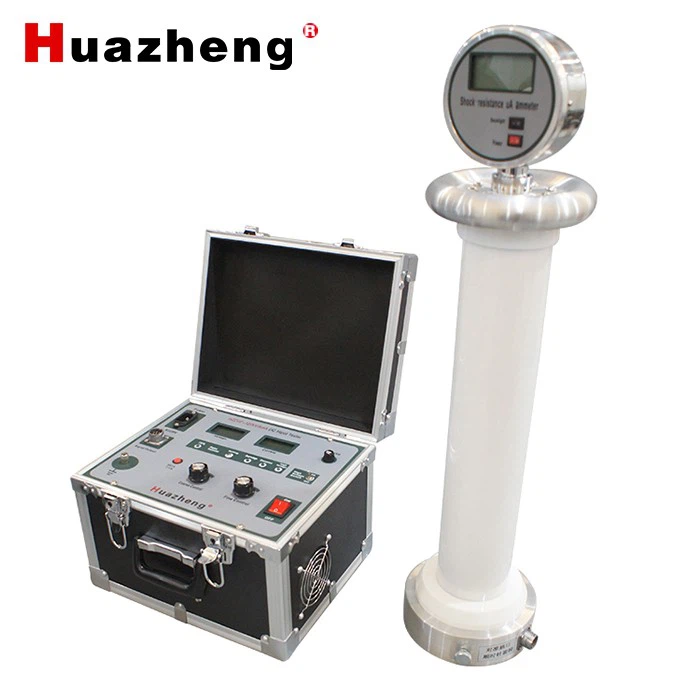
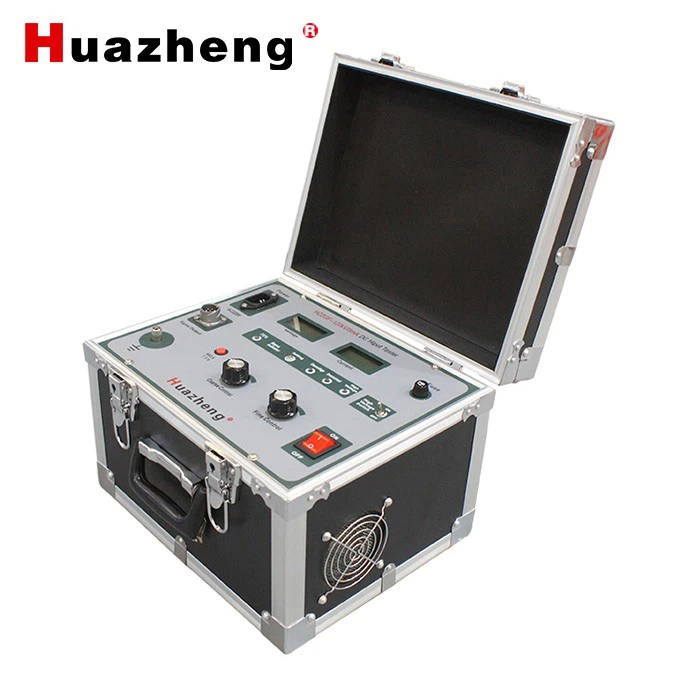
If you're in the market for a high - quality DC dielectric hipot tester for your generator testing needs, we've got you covered. We offer a wide range of testers, including the ones I mentioned above, 100KV 5mA DC Hipot Tester, 80kV 5mA DC Dielectric Hipot Tester, and 300kV 2mA High Precision DC Hipot Test Set. If you have any questions or want to discuss your specific requirements, feel free to reach out to us. We're here to help you make the right choice for your generator testing.
References
- Electrical Insulation Testing Handbook
- Generator Maintenance and Testing Guidelines