

What is the weight of a typical dc withstand voltage tester?
Oct 03, 2025
Hey there! As a supplier of DC withstand voltage testers, I often get asked about the weight of these nifty devices. It's a question that might not seem super important at first, but it can actually make a big difference, especially when you're moving the tester around or need to transport it to different job sites.
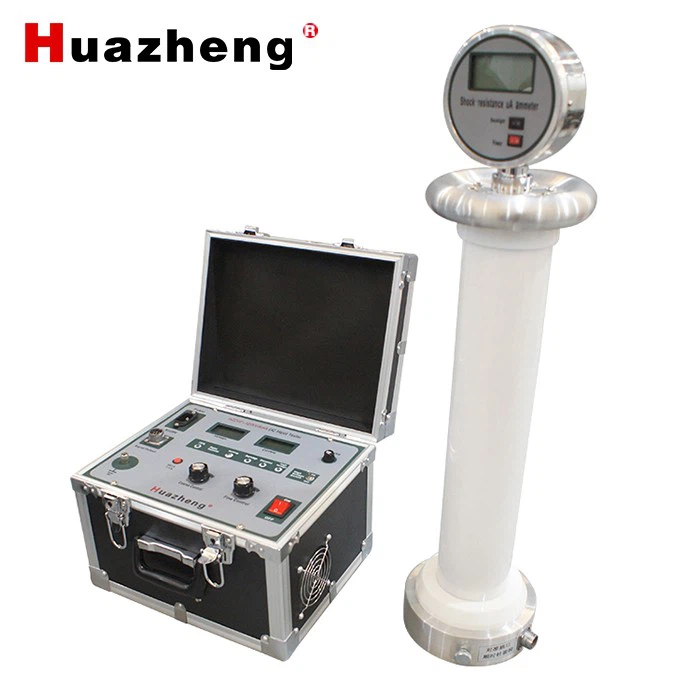
Let's start by understanding what a DC withstand voltage tester is. In simple terms, it's a piece of equipment used to test the insulation of electrical devices. It applies a high DC voltage to the device under test for a specific period to check if the insulation can withstand that voltage without breaking down. This is crucial for ensuring the safety and reliability of electrical systems.
Now, back to the weight. The weight of a typical DC withstand voltage tester can vary quite a bit depending on several factors. One of the main factors is the voltage and current ratings of the tester. Generally speaking, testers with higher voltage and current ratings tend to be heavier. This is because they need larger and more robust components to handle the higher power.
For example, our 200kV 2mA Digital Dc Hi Pot Tester is a high - end device designed for heavy - duty testing. It's built to apply a whopping 200kV DC voltage, which requires a lot of sophisticated electrical components. As a result, it weighs more compared to testers with lower voltage ratings. The extra weight comes from things like the high - voltage transformers, capacitors, and the sturdy housing needed to protect these components.
On the other hand, a tester with a lower voltage rating, like an 80kV model, will be lighter. Our 80kV 5mA DC Dielectric Hipot Tester is a great example. It's more portable and easier to handle, making it a good choice for on - site testing where you need to move the tester around frequently. The lower voltage requirements mean that the internal components can be smaller and lighter, reducing the overall weight of the device.
Another factor that affects the weight is the type of technology used in the tester. Modern digital testers often use advanced semiconductor technology, which can make them more compact and lighter compared to older analog testers. Digital testers also tend to have more features and better accuracy, but they can still vary in weight depending on their specifications.
Our Digital 120kV 5mA DC High Voltage Generator is a prime example of a modern digital device. It combines high - performance testing capabilities with a relatively manageable weight. The digital design allows for more efficient use of space and components, resulting in a device that's not overly bulky or heavy.
When it comes to the actual numbers, it's hard to give a single "typical" weight because there are so many different models out there. But as a rough estimate, a small - to - medium - sized DC withstand voltage tester with a voltage rating of around 50kV - 100kV might weigh anywhere from 10 to 30 kilograms. Larger testers with ratings above 150kV can weigh 50 kilograms or more.
The weight of the tester can have practical implications. If you're working in a large industrial facility and need to move the tester from one location to another, a lighter device will be much easier to transport. You won't have to worry about heavy lifting or using special equipment to move it. On the other hand, if you're doing stationary testing in a laboratory setting, the weight might not be as big of a concern.
It's also important to consider the weight when it comes to shipping. Heavier testers will cost more to ship, especially if you're sending them overseas. This is something to keep in mind when you're budgeting for your testing equipment.
In addition to the weight of the tester itself, you also need to consider the weight of any accessories that come with it. Things like test leads, probes, and carrying cases can add a few extra kilograms to the overall package.
If you're in the market for a DC withstand voltage tester, it's a good idea to think about your specific needs. Do you need a high - voltage tester for large - scale industrial applications, or is a lower - voltage, more portable model sufficient for your on - site testing? The weight of the tester can play a big role in your decision - making process.
We at our company understand the importance of finding the right balance between performance and portability. That's why we offer a wide range of DC withstand voltage testers with different voltage ratings and weights. Whether you're a small electrical contractor or a large industrial company, we have a tester that will meet your requirements.
If you're interested in learning more about our products or have any questions about the weight or other specifications of our DC withstand voltage testers, don't hesitate to get in touch. We're here to help you make the best choice for your testing needs. You can reach out to us to start a discussion about your requirements and how our testers can fit into your operations. Let's work together to ensure the safety and reliability of your electrical systems.
References

- Electrical Testing Handbook: A comprehensive guide on electrical testing equipment, including DC withstand voltage testers.
- Industry reports on high - voltage testing equipment, which provide insights into the design and specifications of different testers.