

What is the voltage range of a typical DC hi - pot tester?
Aug 18, 2025
A DC hi-pot tester, also known as a DC high - potential tester, is a crucial piece of equipment used in electrical testing. It is designed to apply a high DC voltage to electrical devices or components to test their insulation integrity. This helps in identifying potential insulation flaws that could lead to electrical failures, short - circuits, or safety hazards. As a DC hi - pot tester supplier, I have in - depth knowledge about the voltage range of these testers and their applications.
Typical Voltage Ranges
The voltage range of a typical DC hi - pot tester can vary widely depending on the specific application and the type of equipment being tested. Generally, the lower end of the voltage range for common DC hi - pot testers starts around 500 volts. This lower voltage range is often used for testing low - voltage electrical components, such as printed circuit boards (PCBs), small transformers, and some types of wiring. These components may not require extremely high voltages to detect insulation weaknesses, and a 500 - volt test can provide sufficient stress on the insulation to identify any potential issues.
For medium - voltage applications, the voltage range of DC hi - pot testers typically extends from 1 kV to 10 kV. This range is suitable for testing medium - voltage cables, switchgear, and some industrial electrical equipment. Medium - voltage cables, for example, are used in many industrial and commercial settings to transmit power over relatively short distances. Testing these cables with a DC hi - pot tester in the 1 - 10 kV range helps ensure that their insulation is in good condition and can withstand the normal operating voltages without breakdown.
On the high - end of the spectrum, DC hi - pot testers can have voltage ranges up to 100 kV or even higher. High - voltage applications often involve testing high - voltage power transmission cables, large transformers, and electrical substations. Factory Manufacturer DC High Voltage Generator 100kV 200kV is an example of equipment that can provide such high voltages for rigorous testing. These high - voltage tests are essential for ensuring the safety and reliability of the electrical grid, as any insulation failure in high - voltage equipment can have severe consequences, including power outages and damage to expensive electrical infrastructure.
Factors Affecting the Voltage Range Selection
Several factors influence the choice of the appropriate voltage range for a DC hi - pot test. One of the primary factors is the rated voltage of the equipment being tested. The test voltage should be high enough to stress the insulation but not so high that it causes unnecessary damage to the insulation. For example, if a component is rated for 1 kV operation, a test voltage of around 1.5 to 2 times the rated voltage is often used. This provides a margin of safety to detect potential insulation weaknesses without over - stressing the component.
The type of insulation material used in the equipment also plays a role in voltage range selection. Different insulation materials have different dielectric strengths, which is the maximum electric field that the material can withstand without breaking down. For instance, some modern synthetic insulation materials may have higher dielectric strengths compared to traditional materials like paper or rubber. When testing equipment with high - dielectric - strength insulation, a higher test voltage may be required to effectively test the insulation integrity.
The environment in which the equipment operates is another important factor. Equipment operating in harsh environments, such as high - humidity or high - temperature conditions, may require more stringent insulation testing. In such cases, a higher test voltage may be selected to account for the potential degradation of the insulation due to the environmental factors.
Applications of Different Voltage Ranges
In the electronics manufacturing industry, low - voltage DC hi - pot testers (500 V - 1 kV) are commonly used for quality control during the production of electronic devices. For example, when manufacturing mobile phones or laptops, a 500 - volt DC hi - pot test can be used to check the insulation between different circuit elements on the PCB. This helps ensure that there are no short - circuits or insulation breakdowns that could cause the device to malfunction.
In the industrial sector, medium - voltage DC hi - pot testers (1 kV - 10 kV) are used for testing electrical motors, generators, and control panels. Electrical motors are widely used in industrial machinery, and regular insulation testing with a medium - voltage DC hi - pot tester can help prevent motor failures, which can lead to costly production downtime.
For the power utility industry, high - voltage DC hi - pot testers (above 10 kV) are indispensable. 80kV 2mA Direct Current High Voltage Test Machine and 80kV 5mA DC Dielectric Hipot Tester are examples of equipment used for testing high - voltage power cables and transformers. These tests are carried out during the installation, maintenance, and commissioning of power transmission and distribution systems to ensure the long - term reliability of the electrical grid.
Importance of Accurate Voltage Range Selection
Selecting the correct voltage range for a DC hi - pot test is of utmost importance. If the test voltage is too low, it may not be able to detect existing insulation weaknesses, leading to false - negative results. This means that a faulty component may pass the test and be put into service, increasing the risk of electrical failures in the future.
On the other hand, if the test voltage is too high, it can cause irreversible damage to the insulation. This can lead to premature failure of the equipment and may even create new insulation problems that did not exist before the test. Therefore, it is crucial to have a good understanding of the equipment being tested and to follow industry standards and guidelines when selecting the appropriate voltage range for a DC hi - pot test.
Conclusion
As a DC hi - pot tester supplier, I understand the significance of providing equipment with the right voltage ranges for different applications. The voltage range of a typical DC hi - pot tester can span from a few hundred volts to hundreds of kilovolts, depending on the specific requirements of the electrical testing. Whether it is for testing low - voltage electronics, medium - voltage industrial equipment, or high - voltage power grid components, having the correct voltage range is essential for accurate and reliable insulation testing.

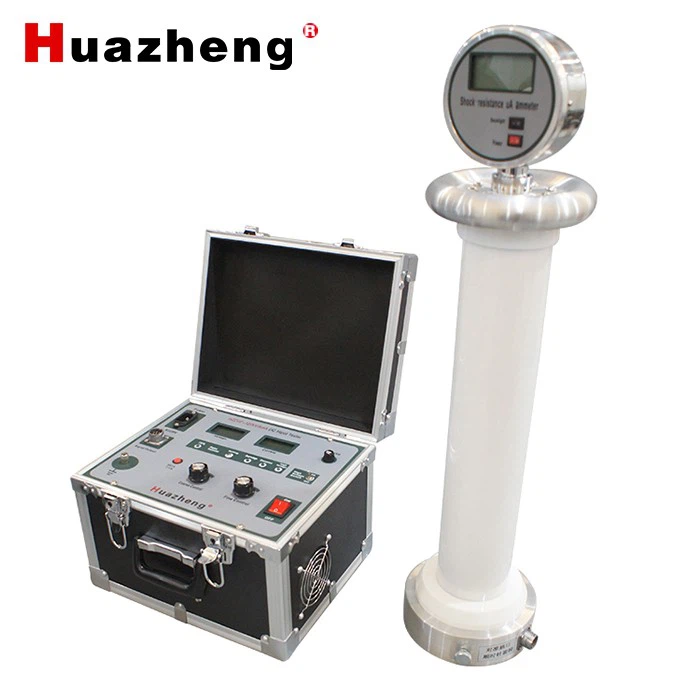
If you are in need of a DC hi - pot tester for your electrical testing requirements, we offer a wide range of products with different voltage ranges to meet your specific needs. Our team of experts can assist you in selecting the most suitable tester for your application. We encourage you to contact us for more information and to discuss your procurement needs. We look forward to working with you to ensure the safety and reliability of your electrical systems.
References
- Electrical Insulation Testing Handbook, various industry - recognized publishers.
- Standards and Guidelines for High - Voltage Testing, international electrical standards organizations.