

What is the calibration process of a CT PT Analyzer?
Dec 05, 2025
As a supplier of CT PT Analyzers, I often get asked about the calibration process of these essential testing devices. In this blog post, I'll delve into the details of what the calibration process of a CT PT Analyzer entails, why it's crucial, and how it impacts the accuracy of your electrical testing.
Understanding CT PT Analyzers
Before we jump into the calibration process, let's briefly understand what CT PT Analyzers are. CT (Current Transformer) and PT (Potential Transformer) Analyzers are used to test the performance and characteristics of current and potential transformers. These transformers are vital components in electrical power systems, as they are responsible for stepping down high currents and voltages to levels that can be safely measured and monitored by instruments and protective relays.
CT PT Analyzers are designed to measure various parameters of CTs and PTs, such as ratio accuracy, phase angle error, excitation characteristics, and insulation resistance. By accurately measuring these parameters, CT PT Analyzers help ensure the proper functioning of electrical power systems and prevent potential faults and failures.
Why Calibration is Important
Calibration is the process of comparing the measurements of a device under test (DUT) with a known standard to determine its accuracy and performance. In the case of CT PT Analyzers, calibration is essential for several reasons:
- Accuracy: Calibration ensures that the CT PT Analyzer provides accurate and reliable measurements. Over time, the performance of a CT PT Analyzer may degrade due to factors such as component aging, environmental conditions, and electrical interference. Calibration helps identify and correct any deviations from the known standard, ensuring that the analyzer provides accurate measurements within the specified tolerance limits.
- Compliance: Many industries and regulatory bodies have specific requirements and standards for the accuracy and performance of electrical testing equipment, including CT PT Analyzers. Calibration helps ensure that the CT PT Analyzer meets these requirements and standards, making it suitable for use in various applications and industries.
- Safety: Accurate measurements are crucial for ensuring the safety of electrical power systems and personnel. Inaccurate measurements can lead to incorrect decisions and actions, which can result in equipment damage, power outages, and even electrical accidents. Calibration helps ensure that the CT PT Analyzer provides accurate measurements, reducing the risk of potential safety hazards.
The Calibration Process of a CT PT Analyzer
The calibration process of a CT PT Analyzer typically involves the following steps:
Step 1: Preparation
Before starting the calibration process, it's important to prepare the CT PT Analyzer and the calibration equipment. This includes:

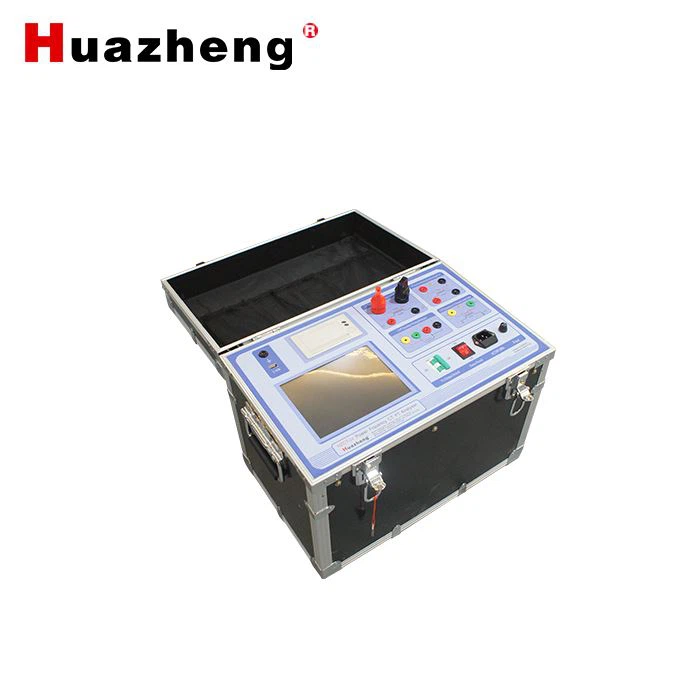
- Inspecting the CT PT Analyzer: Check the CT PT Analyzer for any visible damage or signs of wear and tear. Make sure all the connections are secure and the analyzer is in good working condition.
- Selecting the Calibration Equipment: Choose the appropriate calibration equipment based on the specifications and requirements of the CT PT Analyzer. The calibration equipment should have a higher accuracy and precision than the CT PT Analyzer being calibrated.
- Setting up the Calibration Environment: Ensure that the calibration environment is clean, dry, and free from electrical interference. The temperature and humidity should be within the specified range for the calibration equipment and the CT PT Analyzer.
Step 2: Initial Testing
Once the CT PT Analyzer and the calibration equipment are prepared, the next step is to perform an initial test to determine the baseline performance of the analyzer. This includes:
- Powering on the CT PT Analyzer: Turn on the CT PT Analyzer and allow it to warm up for the recommended period of time. This helps ensure that the analyzer reaches a stable operating temperature and provides accurate measurements.
- Performing Self-Tests: Most CT PT Analyzers have built-in self-test functions that can be used to check the internal components and circuits of the analyzer. Run the self-tests to identify any potential issues or faults.
- Measuring Known Standards: Use the calibration equipment to measure known standards, such as known current and voltage values. Compare the measurements obtained from the CT PT Analyzer with the known standards to determine the accuracy and performance of the analyzer.
Step 3: Adjustment and Calibration
If the initial test reveals any deviations from the known standards, the next step is to adjust and calibrate the CT PT Analyzer. This includes:
- Identifying the Source of the Deviation: Analyze the test results to identify the source of the deviation. This could be due to factors such as component aging, electrical interference, or incorrect settings.
- Making Adjustments: Based on the identified source of the deviation, make the necessary adjustments to the CT PT Analyzer. This could involve adjusting the internal settings, replacing faulty components, or recalibrating the analyzer.
- Repeating the Testing: After making the adjustments, repeat the initial testing to verify the accuracy and performance of the CT PT Analyzer. Compare the new measurements with the known standards to ensure that the analyzer is now providing accurate measurements within the specified tolerance limits.
Step 4: Final Testing and Documentation
Once the CT PT Analyzer has been adjusted and calibrated, the final step is to perform a final test to ensure that the analyzer is functioning properly and providing accurate measurements. This includes:
- Performing a Comprehensive Test: Use the calibration equipment to perform a comprehensive test of the CT PT Analyzer, measuring all the relevant parameters and functions. Compare the measurements obtained from the analyzer with the known standards to ensure that the analyzer is providing accurate measurements within the specified tolerance limits.
- Documenting the Calibration Results: Record the calibration results, including the measurements obtained from the CT PT Analyzer, the known standards, and any adjustments made during the calibration process. This documentation is important for traceability and compliance purposes.
- Issuing a Calibration Certificate: Once the calibration process is complete and the CT PT Analyzer has been verified to be functioning properly, issue a calibration certificate. The calibration certificate should include the details of the calibration process, the calibration results, and the date of calibration.
Our CT PT Analyzer Products
At our company, we offer a range of high-quality CT PT Analyzers that are designed to meet the needs of various industries and applications. Our CT PT Analyzers are known for their accuracy, reliability, and ease of use. Here are some of our popular CT PT Analyzer products:
- HZCT-100B Variable Frequency Current Transformer Characteristic CT PT Tester: This CT PT Analyzer is designed to test the characteristics of current transformers at variable frequencies. It offers high accuracy and precision, making it suitable for use in a wide range of applications.
- HZCT-IV Power Frequency CT PT Analyser: This CT PT Analyzer is specifically designed to test the performance of current and potential transformers at power frequencies. It features a user-friendly interface and advanced measurement functions, making it easy to use and highly efficient.
- HZCT-100C 0.05% Accuracy Current Transformer CT PT Analyzer: This CT PT Analyzer offers an accuracy of 0.05%, making it one of the most accurate CT PT Analyzers on the market. It is suitable for use in applications where high accuracy is required, such as power generation, transmission, and distribution.
Contact Us for Purchasing and Consultation
If you're interested in purchasing a CT PT Analyzer or have any questions about our products or calibration services, please don't hesitate to contact us. Our team of experts is always ready to assist you and provide you with the best solutions for your needs. We look forward to hearing from you and working with you to ensure the accuracy and reliability of your electrical testing.
References
- Electrical Power Systems Testing and Maintenance Handbook
- IEEE Standards for Instrument Transformers
- International Electrotechnical Commission (IEC) Standards for Electrical Testing Equipment