

What are the installation requirements for a CT PT Analyzer?
Jun 16, 2026
Hey there! As a supplier of CT PT Analyzers, I often get asked about the installation requirements for these nifty devices. So, I thought I'd put together this blog post to give you all the deets.
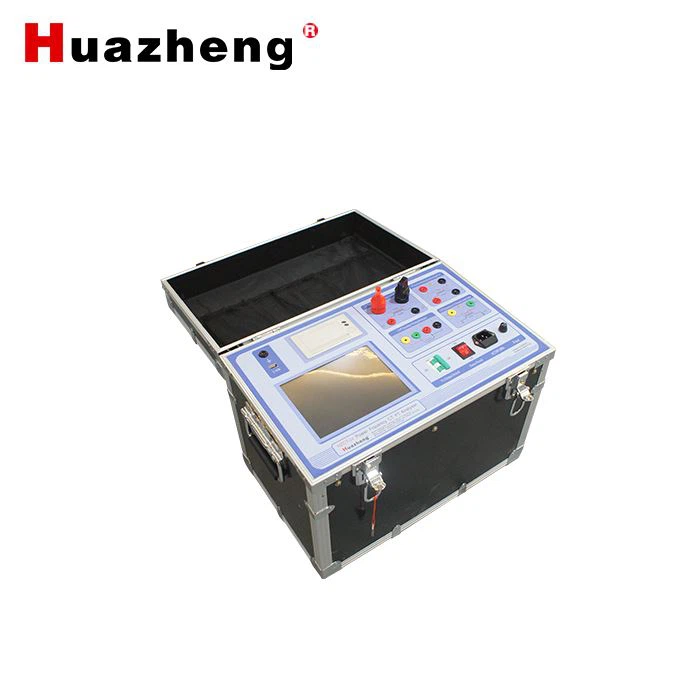
First off, let's talk about what a CT PT Analyzer is. In a nutshell, it's a piece of equipment used to test current transformers (CTs) and potential transformers (PTs). These transformers are crucial in the electrical power system, as they help in measuring current and voltage accurately. Our CT PT Analyzers, such as the HZCT-100B Variable Frequency Current Transformer Characteristic CT PT Tester, HZCT-100C 0.05% Accuracy Current Transformer CT PT Analyzer, and HZCT-IV Power Frequency CT PT Analyser, are designed to provide reliable and accurate test results.
Now, let's dive into the installation requirements.

1. Location Selection
The first step in installing a CT PT Analyzer is choosing the right location. You want to pick a spot that's dry, well-ventilated, and free from excessive dust and moisture. Avoid areas near sources of heat, such as radiators or direct sunlight, as this can affect the performance of the analyzer.
Also, make sure the location is easily accessible. You'll need to connect the analyzer to the CTs and PTs, so having enough space around the installation area is a must. It's a good idea to place the analyzer close to the transformers you're testing to minimize the length of the connecting cables.
2. Power Supply
A stable power supply is crucial for the proper functioning of the CT PT Analyzer. Most of our analyzers operate on a standard AC power supply, usually 220V or 110V, depending on your region. Before connecting the analyzer to the power supply, double-check the voltage requirements to avoid any damage.
It's also recommended to use a surge protector to protect the analyzer from power surges and fluctuations. These can occur due to lightning strikes or other electrical disturbances, and they can potentially fry the sensitive components of the analyzer.
3. Cable Connections
The next step is making the cable connections. You'll need to connect the analyzer to the CTs and PTs using the appropriate cables. Make sure the cables are in good condition and have the right connectors for the job.
When connecting the cables, follow the manufacturer's instructions carefully. Incorrect connections can lead to inaccurate test results or even damage to the analyzer. It's also a good idea to label the cables to avoid any mix-ups during future maintenance or testing.
4. Grounding
Proper grounding is essential for the safety and performance of the CT PT Analyzer. Connect the grounding terminal of the analyzer to a reliable ground source, such as a grounding rod or a building's electrical ground system.
A good ground connection helps to protect the analyzer from electrical shocks and also reduces the risk of interference from external electrical sources. Make sure the grounding connection is tight and secure to ensure a good electrical connection.
5. Environmental Conditions
The environmental conditions around the installation area can also affect the performance of the CT PT Analyzer. As mentioned earlier, keep the area dry and well-ventilated. The temperature and humidity levels should also be within the recommended range for the analyzer.
Most of our analyzers are designed to operate within a temperature range of -20°C to 60°C and a humidity range of 0% to 95% non-condensing. If the environmental conditions are outside this range, it can affect the accuracy of the test results or even cause damage to the analyzer.
6. Calibration
Once the analyzer is installed, it's important to calibrate it before use. Calibration ensures that the analyzer is providing accurate and reliable test results. You can either calibrate the analyzer yourself using a calibration kit or have it calibrated by a professional calibration service.
Regular calibration is also recommended to maintain the accuracy of the analyzer over time. The frequency of calibration depends on the usage and the manufacturer's recommendations.
7. Training and Familiarization
Before using the CT PT Analyzer, it's a good idea to receive some training on how to operate it properly. Our company offers training services to help you get the most out of your analyzer.
Familiarize yourself with the user manual and the various functions of the analyzer. This will help you perform the tests accurately and efficiently. If you have any questions or need further assistance, don't hesitate to contact our customer support team.
Conclusion
Installing a CT PT Analyzer requires careful consideration of several factors, including location, power supply, cable connections, grounding, environmental conditions, calibration, and training. By following these installation requirements, you can ensure that your analyzer provides accurate and reliable test results.
If you're in the market for a high-quality CT PT Analyzer, we've got you covered. Our range of HZCT-100B Variable Frequency Current Transformer Characteristic CT PT Tester, HZCT-100C 0.05% Accuracy Current Transformer CT PT Analyzer, and HZCT-IV Power Frequency CT PT Analyser are designed to meet your testing needs.
If you have any questions or would like to discuss your specific requirements, feel free to reach out. We're here to help you make the right choice and ensure a smooth installation process. Let's start a conversation about how we can meet your CT PT Analyzer needs!
References
- Electrical Power System Testing Handbook
- Manufacturer's User Manuals for CT PT Analyzers