

What are the environmental requirements for using a CT PT Analyzer?
Jun 01, 2026
As a supplier of CT PT Analyzers, I understand the importance of ensuring that these devices operate effectively in various environmental conditions. CT (Current Transformer) and PT (Potential Transformer) Analyzers are crucial tools for testing and analyzing the performance of current and potential transformers, which are widely used in power systems. In this blog, I will discuss the environmental requirements for using a CT PT Analyzer to ensure accurate and reliable results.
Temperature Requirements
Temperature is one of the most critical environmental factors that can affect the performance of a CT PT Analyzer. Most CT PT Analyzers are designed to operate within a specific temperature range. Generally, the recommended operating temperature for these analyzers is between -20°C to 50°C.
At low temperatures, the internal components of the analyzer may become less efficient, leading to inaccurate measurements. For example, the performance of electronic components such as resistors and capacitors can be affected by low temperatures, which may cause changes in their electrical properties. On the other hand, high temperatures can also pose problems. Excessive heat can cause the analyzer to overheat, leading to component failure or reduced accuracy.
It is essential to ensure that the CT PT Analyzer is used in an environment where the temperature is within the specified range. If the analyzer is used in an environment with extreme temperatures, additional measures may be required, such as using a temperature-controlled enclosure or providing proper ventilation.
Humidity Requirements
Humidity is another important environmental factor that can impact the performance of a CT PT Analyzer. High humidity levels can cause moisture to accumulate on the internal components of the analyzer, leading to corrosion and short circuits. This can not only affect the accuracy of the measurements but also damage the analyzer.
Most CT PT Analyzers are designed to operate in a relative humidity range of 10% to 90% non-condensing. It is crucial to avoid using the analyzer in environments with high humidity or where condensation may occur. If the analyzer is used in a humid environment, it is recommended to use a dehumidifier or ensure proper ventilation to prevent moisture from accumulating.
Altitude Requirements
Altitude can also have an impact on the performance of a CT PT Analyzer. As the altitude increases, the air pressure decreases, which can affect the performance of the analyzer's internal components. In general, CT PT Analyzers are designed to operate at altitudes up to 2000 meters.
At higher altitudes, the reduced air pressure can cause the breakdown voltage of the analyzer's insulation to decrease, increasing the risk of electrical arcing. Additionally, the performance of the analyzer's cooling system may be affected, leading to overheating. If the analyzer is to be used at altitudes above 2000 meters, it is recommended to consult the manufacturer for specific guidelines and recommendations.
Electrical Noise and Interference
Electrical noise and interference can also affect the accuracy of the measurements taken by a CT PT Analyzer. In a power system, there are various sources of electrical noise, such as power lines, transformers, and other electrical equipment. These sources of noise can introduce unwanted signals into the analyzer, leading to inaccurate measurements.
To minimize the effects of electrical noise and interference, it is recommended to use shielded cables and proper grounding techniques. Additionally, the analyzer should be placed away from sources of electrical noise and interference. Some CT PT Analyzers are equipped with built-in filters and shielding to reduce the effects of electrical noise.
Dust and Contamination
Dust and contamination can also have a negative impact on the performance of a CT PT Analyzer. Dust can accumulate on the internal components of the analyzer, leading to reduced efficiency and accuracy. Contamination, such as oil or other chemicals, can also damage the analyzer's components.
It is important to keep the CT PT Analyzer clean and free from dust and contamination. Regular cleaning and maintenance of the analyzer can help prevent the accumulation of dust and contamination. Additionally, the analyzer should be stored in a clean and dry environment when not in use.
Our CT PT Analyzer Products
As a leading supplier of CT PT Analyzers, we offer a range of high-quality products that are designed to meet the environmental requirements discussed above. Our products include the HZCT-100B Variable Frequency Current Transformer Characteristic CT PT Tester, the HZCT-IV Power Frequency CT PT Analyser, and the HZCT-100C 0.05% Accuracy Current Transformer CT PT Analyzer.
These analyzers are designed to operate in a wide range of environmental conditions, ensuring accurate and reliable measurements. They are also equipped with advanced features and technologies to minimize the effects of environmental factors such as temperature, humidity, and electrical noise.
Conclusion
In conclusion, the environmental requirements for using a CT PT Analyzer are crucial for ensuring accurate and reliable measurements. Temperature, humidity, altitude, electrical noise, and dust and contamination can all have a significant impact on the performance of the analyzer. By understanding these environmental requirements and taking appropriate measures to ensure that the analyzer is used in a suitable environment, you can ensure the accuracy and reliability of your measurements.

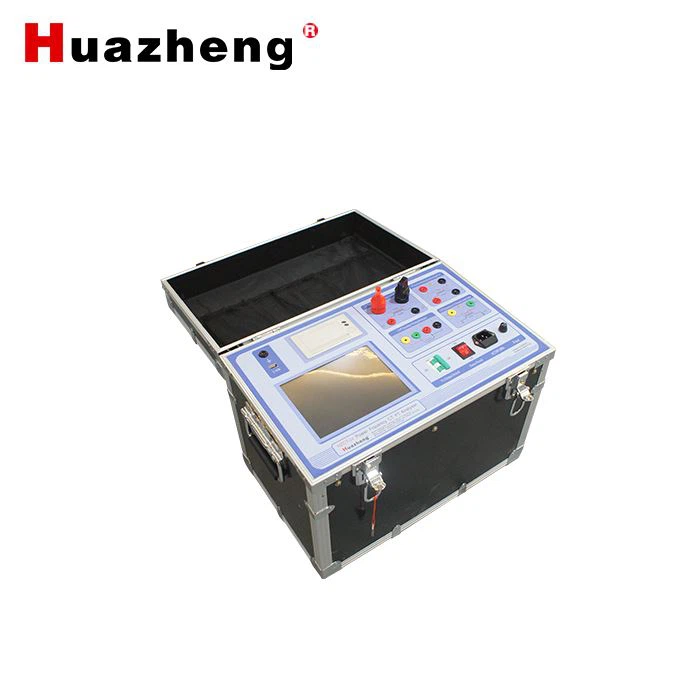
If you are interested in purchasing a CT PT Analyzer or have any questions about our products, please feel free to contact us. We are committed to providing high-quality products and excellent customer service.
References
- Manufacturer's manuals for CT PT Analyzers
- Industry standards and guidelines for power system testing equipment